MADHUSHALA

coming soon

Tuesday, 2 August 2011

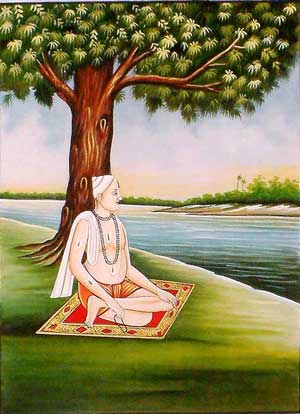
BIOGRAPHY OF TULSIDAS

Tulsidas is considered to be one of the greatest of the Hindu saints of India.  He is is considered to be one of the most famous representatives of the Bhakti school of Hinduism.
Details of his early life are life are a bit sketch.  Some say that he was born in 1589, while others say that it was in 1532.  There is however, an agreement that he was born in Rajpur India, in present day Uttar Pradesh.  He was born to Atmaram Shukla Dube and his wife Hulsi.  As a younster, his name was Tulsiram and / or Ram Bola.  (Even today in India it is not unusual for a person to have different names, at different times of their life, and to different people).
His introduction into the principals of the bhakti school came when Tulsidas was a young boy in Sukar-Khet.  There he heard the story of Rama, which would form the basis for much of his later literary work.  This was from Narhari Das who was a very influential saint.
Tulsidas' family life was not unusual.  As is the custom, he lived for a time as a householder, and assumed the normal duties of raising and supporting a family.  He was married to a woman by the name of Buddhimati (Ratnavali).  She bore him a son by the name of Tarak.
However his life as a householder was to be short-lived.  He left home and took sanyas (the life of a renunciate).  For the next 14 years he visitied various pilgrimage places.  Afterwords he settled down and started an ashram where he taught, and composed his literary works.
His literary work was most impressive.  He was a Sanskrit scholar, but he is known for his works in Awadhi (A dialect of Hindi).  He his particularly known for his "Tulsi-Krita Ramayan", this is also known as "Ramacharitamanasa".  He is also well known for his "Hanuman Chalisa".  In all, he composed 22 major literary works in his lifetime.
He died about 1623 in Asighat in Varanasi (Benares).

Tere khayal mein

Tere khayal mein raat guzar jati hai,
Bebasi k haal mein raat guzar jati hai,
Tu muhe yaad karti hai k nahi, Isi swal mein raat guzar jati hai,
Tere chehray ka aks zehn mein bnata hun,
Tasveer-e-malal mein raat guzar jati hai,
Kash k tu har waqt mere sath rahay,
Bas isi khawaish-e-kamal mein meri sari raat guzar jati hai….

mere dukh kii koii davaa na karo

mere dukh kii koii davaa na karo
mujh ko mujh se abhii judaa na karo

naaKhudaa ko Khudaa kahaa hai to phir
Duub jaao, Khudaa Khudaa na karo

ye sikhaayaa hai dostii ne hamen
dost banakar kabhii wafaa na karo

ishq hai ishq, ye mazaak nahiin
chand lamhon men faisalaa na karo

ashiqii ho ya bandagii 'faakir'
bedilli se to ibatidaa na karo 

Monday, 1 August 2011

चाणक्य नीति (Chanakya Niti)

 1.क्रोध यमराज के समान है, उसके कारण मनुष्य मृत्यु की गोद में चला जाता है। तृष्णा वैतरणी नदी की तरह है जिसके कारण मनुष्य को सदैव कष्ट उठाने पड़ते हैं। विद्या कामधेनु के समान है । मनुष्य अगर भलीभांति शिक्षा प्राप्त करे को वह कहीं भी और कभी भी फल प्रदान कर सकती है।
2.संतोष नन्दन वन के समान है। मनुष्य अगर अपने अन्दर उसे स्थापित करे तो उसे वैसे ही सुख मिलेगा जैसे नन्दन वन में मिलता है।

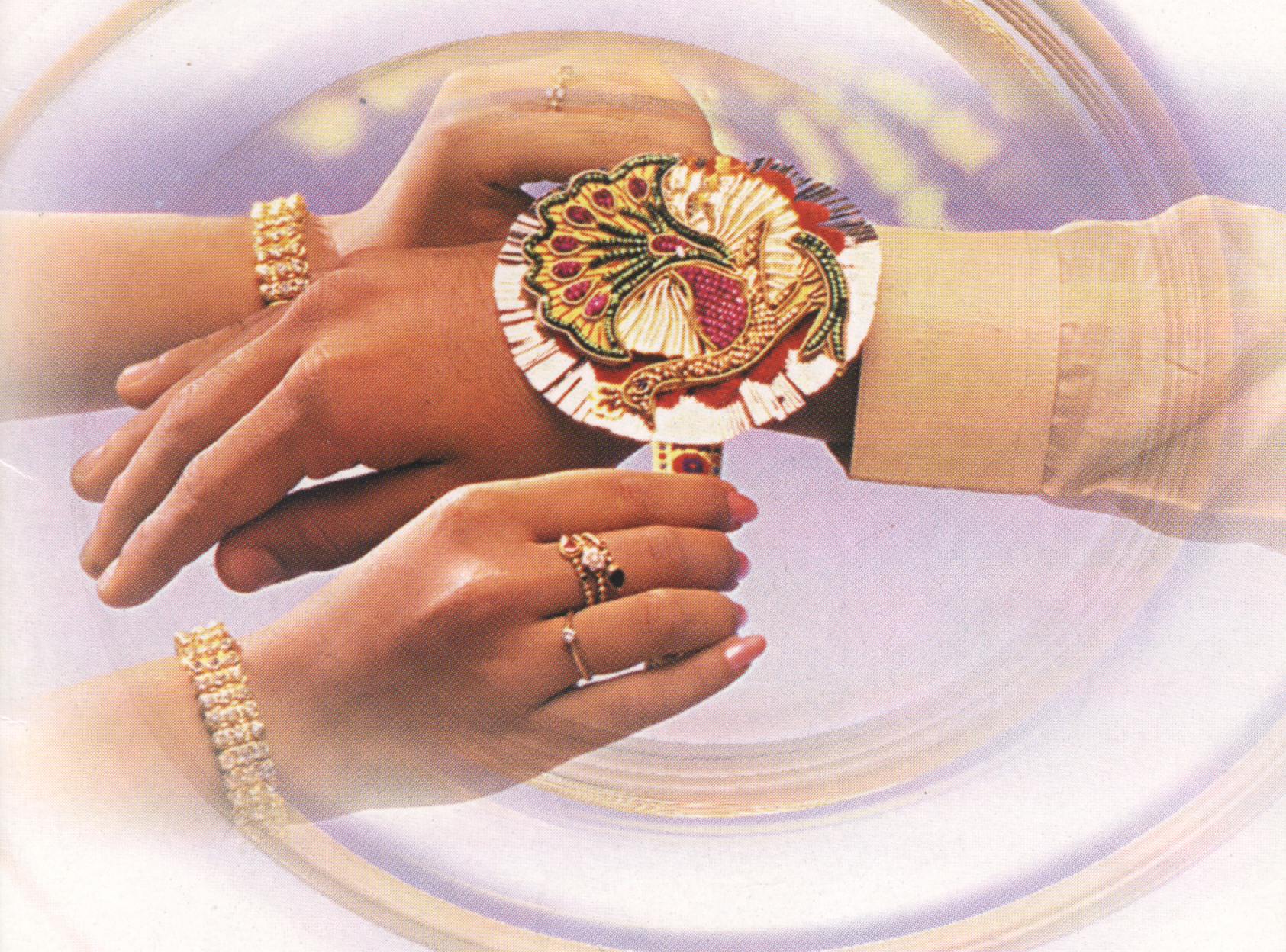
Raksha Bandhan in History

 The traditional Hindu festival 'Raksha Bandhan' (knot of protection) was came into origin about 6000 years back when Aryans created first civilization - The Indus Valley Civilization. With many languages and cultures, the traditional method to Rakhi festival celebration differs from place to place across India. Following are some historical evidences of Raksha Bandhan celebration from the Indian history.

पथ की पहचान

पूर्व चलने के बटोही बाट की पहचान कर ले।
पुस्तकों में है नहीं
छापी गई इसकी कहानी
हाल इसका ज्ञात होता
है न औरों की जबानी
अनगिनत राही गए
इस राह से उनका पता क्या
पर गए कुछ लोग इस पर
छोड़ पैरों की निशानी
यह निशानी मूक होकर
भी बहुत कुछ बोलती है
खोल इसका अर्थ पंथी
पंथ का अनुमान कर ले।
पूर्व चलने के बटोही बाट की पहचान कर ले।
यह बुरा है या कि अच्छा
व्यर्थ दिन इस पर बिताना
अब असंभव छोड़ यह पथ
दूसरे पर पग बढ़ाना
तू इसे अच्छा समझ
यात्रा सरल इससे बनेगी
सोच मत केवल तुझे ही
यह पड़ा मन में बिठाना
हर सफल पंथी यही
विश्वास ले इस पर बढ़ा है
तू इसी पर आज अपने
चित्त का अवधान कर ले।
पूर्व चलने के बटोही बाट की पहचान कर ले।
है अनिश्चित किस जगह पर
सरित गिरि गह्वर मिलेंगे
है अनिश्चित किस जगह पर
बाग वन सुंदर मिलेंगे
किस जगह यात्रा खतम हो
जाएगी यह भी अनिश्चित
है अनिश्चित कब सुमन कब
कंटकों के शर मिलेंगे
कौन सहसा छू जाएँगे
मिलेंगे कौन सहसा
आ पड़े कुछ भी रुकेगा
तू न ऐसी आन कर ले।
पूर्व चलने के बटोही बाट की पहचान कर ले।

क्षण भर को क्यों प्यार किया था?

अर्द्ध रात्रि में सहसा उठकर,
पलक संपुटों में मदिरा भर,
तुमने क्यों मेरे चरणों में अपना तन-मन वार दिया था?
क्षण भर को क्यों प्यार किया था?
‘यह अधिकार कहाँ से लाया!’
और न कुछ मैं कहने पाया -
मेरे अधरों पर निज अधरों का तुमने रख भार दिया था!
क्षण भर को क्यों प्यार किया था?
वह क्षण अमर हुआ जीवन में,
आज राग जो उठता मन में -
यह प्रतिध्वनि उसकी जो उर में तुमने भर उद्गार दिया था!
क्षण भर को क्यों प्यार किया था?